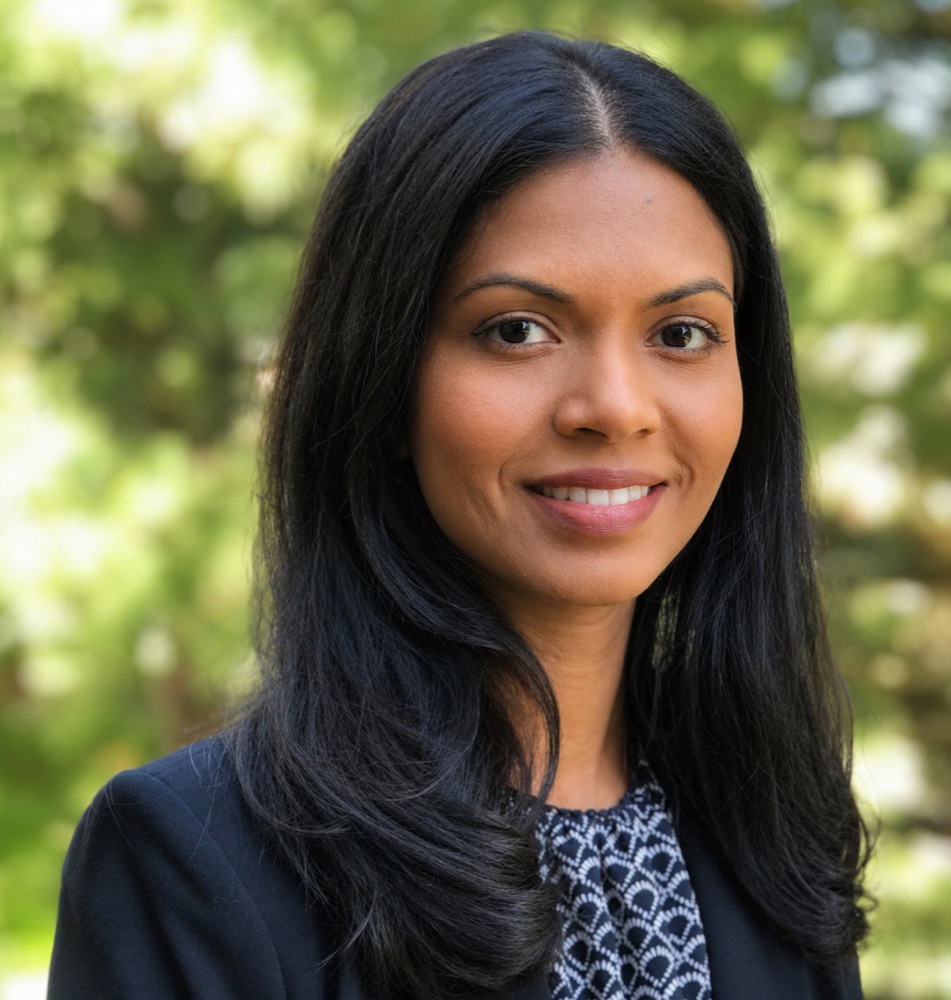
Family Medicine Doctor in New Jersey
A family medicine doctor is the one physician trained to care for the whole patient across the entire lifespan: babies, teens, adults, and seniors, across every body system and every stage of life. Dr. Nelly Singh, DO is a board-certified family medicine physician serving New Jersey with telehealth statewide, in-office Signature Care at the Waldwick, NJ office, and concierge-style home visits in select North and Central Jersey communities.
What is a family medicine doctor, and why does it matter?
Family medicine is the only medical specialty trained to care for every member of the family, from newborns to grandparents, across every organ system. Where an internist focuses on adults and a pediatrician focuses on children, a family medicine physician is trained to treat both, plus women's health, mental health, preventive care, chronic disease, acute illness, minor procedures, and the gray areas in between.
That breadth is the entire point. Most of the day-to-day medical questions a person has, from a rash that won't go away to a difficult perimenopause to an aging parent's blood pressure, do not need a specialist. They need a doctor who knows you, has time to think, and can put the whole picture together.
Dr. Nelly is a board-certified family medicine physician (American Osteopathic Board of Family Physicians) and a Doctor of Osteopathic Medicine. That means her training included the conventional medical curriculum plus osteopathic principles, with extra hands-on training in how the body's structure affects how it functions. For patients, that translates to a more thorough physical exam, a broader differential, and a willingness to consider the body as a connected system instead of a list of complaints.
What a family medicine doctor actually handles
The list is longer than most people think.
Preventive & wellness care
Annual physicals, age-appropriate screening (cancer, cardiovascular, diabetes, bone density), immunizations, lifestyle counseling, and personalized prevention plans built around your risk profile.
Chronic conditions
Hypertension, type 2 diabetes, high cholesterol, thyroid disorders, asthma, GERD, prediabetes, obesity, and ongoing management of conditions that benefit from a doctor who tracks them month over month.
Acute illness
Sinus infections, UTIs, bronchitis, sore throats, flu, COVID, rashes, ear infections, and the everyday illnesses that send people to urgent care when they really just need their own doctor.
Mental health
Anxiety, depression, ADHD evaluation, sleep concerns, stress management, and ongoing medication management for stable conditions, with referrals to therapy and psychiatry when warranted.
Women's & men's health
Annual gynecologic exams, pap smears for cervical cancer screening, contraception counseling, perimenopause and menopause management, hormonal concerns, fertility basics, prostate screening, low libido, and erectile dysfunction.
Pediatrics
Well-child checks, school and sports physicals, immunizations, common childhood illnesses, behavioral and developmental concerns, and the same physician your kids will know as they grow up.
Musculoskeletal & pain
Back and neck pain, joint pain, headaches and migraines, sports injuries, in-office knee and other joint corticosteroid injections, postural complaints, and osteopathic manipulative treatment (OMT) for hands-on care without medication.
Care coordination
Reviewing specialist notes, interpreting outside labs and imaging, hospital follow-up after a discharge, and serving as your medical advocate when you do need to see someone else.
Lifestyle & whole-person care
Nutrition counseling, sleep, exercise, stress, and the upstream factors that drive most chronic disease. Real conversations, not "lose some weight and come back in six months."
See the full breakdown on the services page.
When you don't actually need a specialist
Many things people are referred out for are well within the scope of a good family medicine physician.
Routine headaches and migraine management
Most tension headaches and migraines do not need a neurologist. A family physician can evaluate, treat, and adjust medication, and refer only if there are red flags or treatment-resistant patterns.
Anxiety, depression, and ADHD evaluation
Family medicine is trained in mental health. Stable medication management, screening, and ongoing support do not need a psychiatrist for many patients.
Common skin issues
Acne, eczema, rosacea, contact dermatitis, fungal infections, and benign skin lesions can usually be treated by your family doctor. Suspicious moles and complex conditions still go to dermatology.
Hypertension, diabetes, cholesterol, thyroid
The bread and butter of family medicine. Endocrinology and cardiology referrals are reserved for complex or unstable cases, not standard management.
Perimenopause and hormonal changes
Symptom management, hormone discussion, sleep, mood, and weight changes related to perimenopause are well within family medicine scope.
Pap smears and routine gynecologic care
Pap smears for cervical cancer screening, pelvic exams, contraception management, IUD discussions, STI screening, and most annual gynecologic care can be handled by your family doctor. Gynecology is the right call for complex or surgical questions.
Knee pain and in-office joint injections
A family physician trained in osteopathic medicine can evaluate joint pain, perform corticosteroid injections for the knee, shoulder, and other joints in the office, treat with OMT, and recommend physical therapy. Orthopedics is reserved for surgical questions or red-flag findings.
GERD, IBS, and common GI issues
Reflux, irritable bowel, occasional constipation or diarrhea, and routine colorectal cancer screening coordination are part of standard family medicine. Gastroenterology is reserved for unexplained weight loss, bleeding, treatment-resistant symptoms, or scope-level workups.
Specialists are the right call when the situation calls for them, and Dr. Nelly will refer you out when that's the honest answer. The point is that a thorough family medicine evaluation often saves a referral, a wait, and a copay.
Why having one family doctor who knows you matters
Continuity is the most under-appreciated feature of good primary care. When one physician sees you over years, they notice things a rotating roster of providers cannot. A subtle change in your blood pressure pattern. A new headache that does not fit your usual one. A medication that quietly stopped working. A weight change that lines up with a life event you mentioned eighteen months ago.
Studies on continuity of care consistently show better outcomes when patients see the same primary care physician over time: fewer hospitalizations, fewer emergency department visits, better chronic disease control, and even lower mortality. The mechanism is not mysterious. A doctor who knows you makes fewer assumptions, orders fewer redundant tests, and catches small issues before they become large ones.
The opposite is also true. Visit a new urgent-care provider every time something comes up and you accumulate a fragmented chart, repeated workups, and no one looking at the long view. The system was not designed to know you. A real family physician is.
A doctor who knows you makes fewer assumptions, orders fewer redundant tests, and catches small issues before they become large ones. Dr. Nelly
More time with your doctor changes the medicine
What 7 minutes can do versus what 30 to 60 minutes can do.
| Traditional family medicine | Concierge-style with Dr. Nelly | |
|---|---|---|
| Visit length | About 7–15 minutes | 30–60 minutes, unhurried |
| Patients per physician | Often 2,000+ | Capped by design, typically 50–400 |
| Same physician each visit | Often rotating providers, MAs, PAs | Always Dr. Nelly |
| Appointment access | Often weeks out | Same-day or next-day for members |
| Direct messaging with your doctor | Rare | Included with membership |
| Visit format | In-office only | Telehealth statewide, in-office in Waldwick, home visits in select towns |
| Insurance billing | Yes, with copays and deductibles | None for visits; superbill on request |
| Specialist referrals | Often the default response | Made when the situation truly calls for one |
| Pricing transparency | Often unclear until billed | Flat, published, starting at $90/mo |
The math is straightforward: a 7-minute visit cannot evaluate a complex patient. A 30 to 60 minute visit can. That is the entire difference between checkbox medicine and the care a thoughtful family physician was trained to provide.
Family medicine, osteopathic principles, and the body as a connected system
As a Doctor of Osteopathic Medicine, Dr. Nelly was trained to evaluate the body as an integrated system. Posture affects breathing. Sleep affects mood. Stress shows up in the gut. A nagging shoulder pain is sometimes a rib, not a shoulder. These connections are not alternative medicine. They are how the body actually works, and they are easy to miss when a visit lasts 7 minutes.
Osteopathic training also adds osteopathic manipulative treatment (OMT) to the family medicine toolkit. OMT is hands-on, evidence-supported care for back and neck pain, headaches, joint dysfunction, postural issues, and pregnancy-related musculoskeletal discomfort. For many patients, it replaces or reduces the need for medication and prevents an orthopedic referral. Learn more about OMT.
The broader point is that a family medicine physician trained this way looks at the whole person. Not a problem list. Not a referral pipeline. A person.
Who benefits most from a real family medicine doctor?
Almost everyone, but especially the people below.
Anyone managing a chronic condition
Diabetes, hypertension, thyroid disease, asthma, anxiety, and high cholesterol all benefit from frequent, low-friction access to the same physician who tracks the long view.
Families
One doctor for the parents and kids means shared context, easier coordination, and no juggling four different practices. Pediatrics through adulthood under one roof.
People without a primary care doctor
If your "doctor" is the local urgent care, you do not actually have a doctor. A family medicine physician gives you continuity, follow-through, and a real medical home.
Women in their 30s, 40s, and 50s
Perimenopause, hormonal shifts, sleep, weight, and mood deserve a physician who has time to listen and treats the whole picture, not just a single symptom.
Busy professionals
Telehealth statewide and direct messaging mean you can manage your health without losing a half-day to a waiting room. Care that fits a real schedule.
Anyone tired of being rushed
If 7-minute appointments and "your time is up" have left you with unanswered questions, family medicine practiced with real time changes the experience completely. Meet Dr. Nelly →
Family medicine with Dr. Nelly across New Jersey
Telehealth statewide, in-office Signature Care at the Waldwick, NJ office, and concierge-style home visits in select North and Central Jersey communities.
Telehealth across New Jersey
Family medicine by secure HIPAA video is available to any patient physically located in New Jersey at the time of the visit. Wellness, chronic conditions, acute illness, mental health, women's and men's health, prescriptions, and labs all work over telehealth.
In-office & home visits in North NJ
In-office Signature Care opens at 85 Hopper Avenue in Waldwick on July 13. Concierge Care home visits and osteopathic manipulative treatment are available in select Bergen and Sussex County communities.
Home-visit & OMT service area
Service availability varies by location. Telehealth is available statewide.
How to start with a family medicine doctor who knows you
Choose your plan
Telehealth membership for virtual primary care, Signature Care for in-office plus telehealth at the Waldwick office, or Concierge Care for home visits in select North and Central NJ towns.
Meet Dr. Nelly
Start care by video, or schedule a complimentary meet & greet if you are considering Concierge Care.
Get continuous care
Same physician, year over year. Direct messaging, real time at every visit, and a doctor who actually knows your history.
Family medicine in New Jersey: FAQ
Common questions about family medicine, primary care, and when to see a specialist. See more on the general FAQ page.
What does a family medicine doctor actually do?
A family medicine doctor provides preventive care, chronic disease management, acute illness care, mental health, women's and men's health, pediatrics, and minor procedures across the entire lifespan. Family medicine is the only specialty trained to care for every member of a household and every body system. For most day-to-day medical needs, your family doctor is the right first stop, and often the only stop.
What is the difference between family medicine and internal medicine?
Internal medicine physicians (internists) focus exclusively on adults. Family medicine physicians are trained to care for adults, children, women's health, and the full lifespan. If you want one doctor for the whole family, family medicine is the specialty designed for that. Dr. Nelly is a board-certified family medicine physician.
Can my family doctor handle mental health, women's health, and pediatrics?
Yes. Family medicine training covers mental health (anxiety, depression, ADHD evaluation, stable medication management), women's health (annual exams, contraception, perimenopause, menopause), and pediatrics (well-child checks, sick visits, school and sports physicals). A specialist referral is made when the situation calls for it, not by default.
When should I actually see a specialist instead of my family doctor?
When the situation is complex, unstable, or beyond the scope of primary care: a surgical question, a treatment-resistant condition, an unclear diagnosis after a thorough workup, a high-risk pregnancy, or a chronic condition that needs subspecialty-level management. Many things that feel like specialist territory, including most headaches, stable diabetes, anxiety, common skin issues, and joint pain, are handled well by a family medicine physician who has time to think.
Do I still need a primary care doctor if I have good insurance?
Yes, and arguably more so. Insurance pays for visits, but it does not give you continuity, time, or access. A real primary care doctor is the difference between a coordinated medical life and a fragmented one. Concierge-style direct primary care with Dr. Nelly pairs well with existing insurance: the membership covers everyday care, while insurance covers hospitalizations, specialists, and major procedures.
How is Dr. Nelly different from a typical family doctor in New Jersey?
Three things: time, access, and continuity. Visits are 30 to 60 minutes instead of 7. You see Dr. Nelly directly, not a rotating roster of providers. And you can reach her between visits through the patient portal without copays or insurance gatekeeping. She is also a DO, which adds osteopathic principles and OMT to standard family medicine care. More about Dr. Nelly →
Does a family medicine membership replace health insurance?
No. The membership covers everyday primary care, while insurance covers hospitalizations, specialists, imaging, and major procedures. The two are designed to work together. Most patients keep their existing insurance and use the membership for the care they actually use day to day. A superbill is available on request for possible out-of-network reimbursement, and HSA/FSA funds may be applied toward membership.